-
Electrical Tools
- Neon Tester Pens
- Electric Drilling Machines
- Combination Plier
- Diagonal Cutter
- Star Headed Screwdriver
- Flat Nose Plier
- Round Nose Plier
- Electrician Knife
- Wire Stripper
- Electric Bench Grinder
- Screwdrivers
- Steel Ruler Scribe
- Wood Rasp File
- Bradawl Tool
- Firmer Chisel
- Gimlet Set
- Try Square
- Jenny Calipers
How are Neon Tester Pens Useful for Electricians?
A neon tester pen (often referred to as a test pen screwdriver) is an indispensable tool for an electrician because it provides a fast, battery-free, and highly portable method to safely verify the presence of AC voltage before handling wires. By routing a microscopic, safe amount of electrical current through a built-in megohm resistor and using the human body to complete the circuit to the ground, the tool illuminates its internal neon bulb to instantly signal a live wire.
Primary Utilities and Benefits
- Immediate Safety Verification: It acts as a frontline defense against accidental shocks by instantly identifying live AC lines.
- Battery-Independent Operation: It requires no batteries, meaning it is always functional and reliable on job sites.
- Dual Functionality: Most models feature a rugged, flat-head tip, allowing them to double as a functional screwdriver.
- Quick Fault Finding: It helps isolate broken connections by pinpointing where current stops flowing along a circuit.
- Grounding Verification: Electricians use it to cross-check whether sockets and appliance bodies are improperly grounded.
How do Neon Tester Pens Differ From Digital Testers
| Feature | Traditional Neon Tester Pen | Digital Voltage Tester |
|---|---|---|
| Power Source | None (Powered by line voltage) | Requires batteries |
| Data Feedback | Binary visual check (Glow / No glow) | Detailed numerical measurements and metrics |
| Speed of Use | Instantaneous application with zero boot time | Requires setup or mode selection |
| Durability | Highly robust with fewer failure points | Sensitive electronic circuitry and display |
Operational Limits & Safety Warnings
- Low-Voltage Only: Standard neon tester pens are strictly designed for household/low AC voltages (typically 70V to 250V AC).
- No DC Functionality: They do not illuminate properly on standard DC circuits due to a lack of alternating capacitive coupling.
- Environmental Dependencies: They should never be used in wet environments or with wet hands to avoid damaging the insulation barrier.
-
DEALS ON NEON TESTER PENS - IN
Explore DIY Neon Tester Pens
Neon Tester Pens & related Products

FNIRSI GC-02 Geiger Counter Nuclear Radiation Tester Personal Dosimeter X-ray γ-ray Radioactivity Tester Marble Tester
Brand:
FNIRSI
Seller:
Banggood CJ Affiliate Program
from CN
PId:
2018956
Estimated Price:
USD
69.99
- Can this Product be purchased in my local Currency?
- Latest PRICE & DISCOUNTS
Last Updated: 01/11/2026 11:57:08
Serviceable Areas
AO (Angola), AR (Argentina), AT (Austria), AZ (Azerbaijan), BE (Belgium), BO (Bolivia), BN (Brunei Darussalam), BG (Bulgaria), TD (Chad), CL (Chile), HR (Croatia), CY (Cyprus), DK (Denmark), EG (Egypt), EE (Estonia), PF, DE (Germany), GI (Gibraltar), GP (Guadeloupe), HU (Hungary), IN (India), ID (Indonesia), IE (Ireland), IL (Israel), JO (Jordan), KE (Kenya), KR (Korea), KW (Kuwait), KG (Kyrgyzstan), LT (Lithuania), LU (Luxembourg), MY (Malaysia), MV (Maldives), MT (Malta), MU (Mauritius), MX (Mexico), MC (Monaco), MA (Morocco), NZ (New Zealand), NG (Nigeria), PK (Pakistan), PE (Peru), PL (Poland), PR (Puerto Rico), QA (Qatar), RE (Reunion), RO (Romania), RS (Serbia), SG (Singapore), SI (Slovenia), ZA (South Africa), LK (Sri Lanka), CH (Switzerland), TZ (Tanzania), TH (Thailand), UA (Ukraine), AE (United Arab Emirates), GB (United Kingdom), US (United States), UY (Uruguay), VN (Viet Nam), VI (Virgin Islands), ZM (Zambia), AU (Australia), BR (Brazil), CO (Colombia), GE (Georgia), GU (Guam), JE (Jersey), KZ (Kazakhstan), LV (Latvia), LB (Lebanon), NA (Namibia), NL (Netherlands), NC (New Caledonia), OM (Oman), PT (Portugal), SA (Saudi Arabia), SE (Sweden), BA (Bosnia), IT (Italy), JP (Japan), MK (Macedonia), MD (Moldova), NO (Norway), PG (Papua New Guinea), PH (Philippines), SK (Slovakia), VU (Vanuatu), FO (Faroe Islands), GH (Ghana), IS (Iceland), ES (Spain), CA (Canada), DZ (Algeria), BH (Bahrain), FI (Finland), FR (France), GR (Greece), UG (Uganda), BB (Barbados), CZ (Czechia), FJ (Fiji), GL (Greenland)
Features Advanced Geiger Müller Counter Technology At the heart of the FNIRSI® GC 02 Geiger Counter is the sophisticated Geiger Müller Counter technology This core component ensures accurate Test and measurement of a variety of ionizing radiation including gamma rays X rays and beta rays providing reliable data across multiple applications Wide Test Range Capable of detecting radiation types with energy ranges from 48 keV to 15 MeV this device ensures a comprehensive assessment of radiation levels in your environment Whether it s food and metal test marble and ore inspection or radioactivity test in the nuclear industry the GC 02 covers it all Real Time Monitoring and Multifunctionality This Geiger counter offers multifunctional real time monitoring making it ideal for applications ranging from radioactive medical equipment testing to industrial and environmental safety checks The device supports various dosage units including μSv h μGy h mR h CPS and CPM ensuring versatile adaptability to different measurement needs High Sensitivity and Measurement Accuracy With a sensitivity of 80 CPM μSv for Co 60 and a dose current rate range of 0 00 1000 μSv h 1 mSv h the GC 02 provides high precision radiation measurements The cumulative dose equivalent measurement ranges from 0 00 μSv to 500 0 mSv making it suitable for both low and high radiation environments Long Battery Life Equipped with a high capacity 850mAh battery the GC 02 ensures extended ope
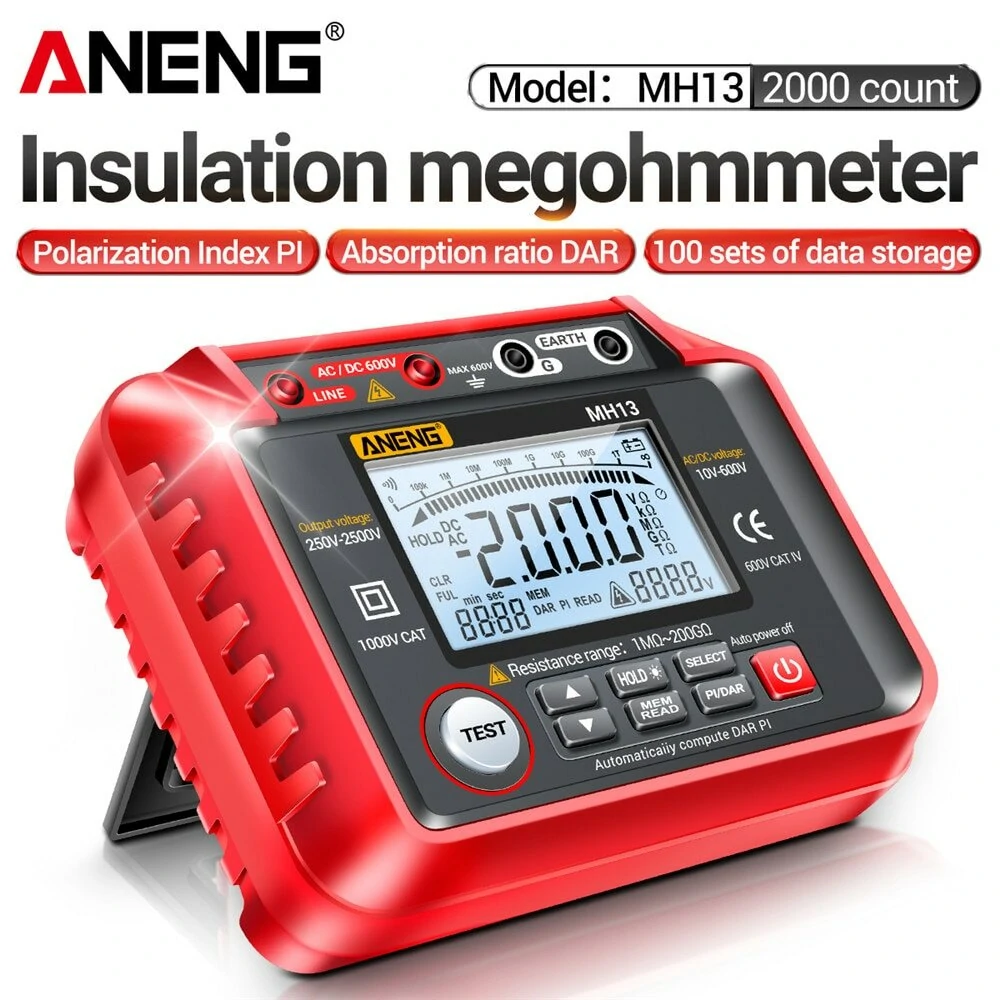
ANENG MH13 Megohmmeter Ohm Tester Digital Multimeter Megometro Insulation Earth High Voltage Resistance Meter Tester Too
Brand:
ANENG
Seller:
Banggood CJ Affiliate Program
from CN
PId:
1978281
Estimated Price:
USD
69.99
- Can this Product be purchased in my local Currency?
- Latest PRICE & DISCOUNTS
Last Updated: 01/12/2026 15:06:40
Serviceable Areas
AO (Angola), AR (Argentina), AT (Austria), AZ (Azerbaijan), BE (Belgium), BO (Bolivia), BN (Brunei Darussalam), BG (Bulgaria), TD (Chad), CL (Chile), HR (Croatia), CY (Cyprus), DK (Denmark), EG (Egypt), EE (Estonia), PF, DE (Germany), GI (Gibraltar), GP (Guadeloupe), HU (Hungary), IN (India), ID (Indonesia), IE (Ireland), IL (Israel), JO (Jordan), KE (Kenya), KR (Korea), KW (Kuwait), KG (Kyrgyzstan), LT (Lithuania), LU (Luxembourg), MY (Malaysia), MV (Maldives), MT (Malta), MU (Mauritius), MX (Mexico), MC (Monaco), MA (Morocco), NZ (New Zealand), NG (Nigeria), PK (Pakistan), PE (Peru), PL (Poland), PR (Puerto Rico), QA (Qatar), RE (Reunion), RO (Romania), RS (Serbia), SG (Singapore), SI (Slovenia), ZA (South Africa), LK (Sri Lanka), CH (Switzerland), TZ (Tanzania), TH (Thailand), UA (Ukraine), AE (United Arab Emirates), GB (United Kingdom), US (United States), UY (Uruguay), VN (Viet Nam), VI (Virgin Islands), ZM (Zambia), AU (Australia), BR (Brazil), CO (Colombia), GE (Georgia), GU (Guam), JE (Jersey), KZ (Kazakhstan), LV (Latvia), LB (Lebanon), NA (Namibia), NL (Netherlands), NC (New Caledonia), OM (Oman), PT (Portugal), SA (Saudi Arabia), SE (Sweden), BA (Bosnia), IT (Italy), JP (Japan), MK (Macedonia), MD (Moldova), NO (Norway), PG (Papua New Guinea), PH (Philippines), SK (Slovakia), VU (Vanuatu), FO (Faroe Islands), GH (Ghana), IS (Iceland), ES (Spain), CA (Canada), DZ (Algeria), BH (Bahrain), FI (Finland), FR (France), GR (Greece), UG (Uganda), BB (Barbados), CZ (Czechia), FJ (Fiji), GL (Greenland)
ANENG MH13 Megohmmeter Ohm Tester Digital Multimeter Megometro Insulation Earth High Voltage Resistance Meter Tester ToolGeneral Insulation resistance tester or high voltage insulation meter is a special instrument for measuring insulation resistance It is an ideal test instrument for measuring insulation resistance of large generators high voltage motors power capacitors power cables arresters etc Technical Parameters The output voltageMeasuring range Precision Short circuitcurrent250V1MΩ 10GΩ± 5 10d 1 8mA500V 1000V2MΩ 20GΩ± 5 10d 2000V 2500V5MΩ 40GΩ± 5 10d AC voltage10 600V± 1 5d DC voltage10 600V± 0 8 5d Resistance range1MΩ 200GΩ100 sets ofdata storage√Max Count2000 CountsHD backlit screen√Use batteryAA5 battery 8Absorption ratio√MaterialSilica gel ABSPolarization Index√Weight640gAutoranging√Pen materialPVC brassAutomatic discharge√Overall lengthof test leads108cmTest voltage display√Back support√High pressureindication√Low voltageindication√Measurement time display√Package inclued 1 Packing box1 Resistance megohmmeter1 Aligator clip1 Storage bag1 Instruction Manual1 Test lead 1 Wire
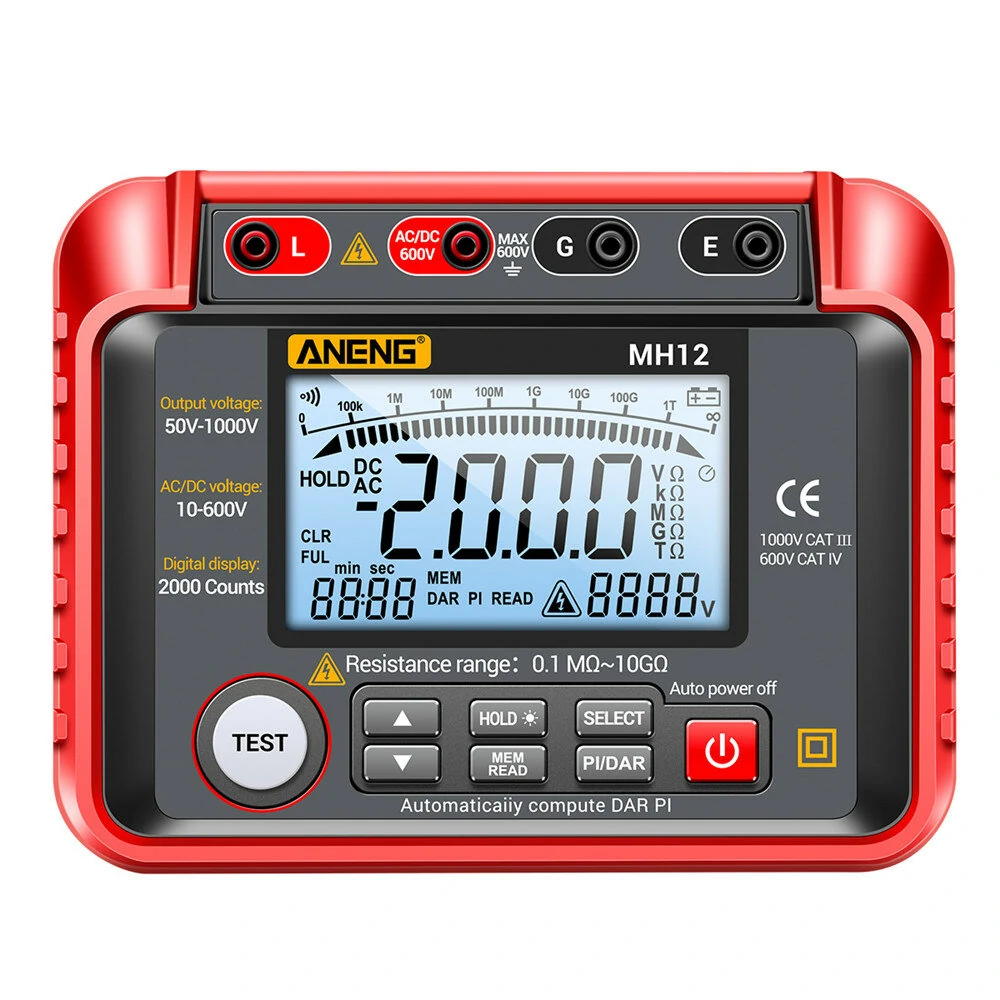
ANENG MH12 Insulation Earth Resistance Tester Digital Meter AC DC Ammeter Transistor Tester LCD Megohmmeter Meter Voltme
Brand:
ANENG
Seller:
Banggood CJ Affiliate Program
from CN
PId:
1964522
Estimated Price:
USD
99.99
- Can this Product be purchased in my local Currency?
- Latest PRICE & DISCOUNTS
Last Updated: 01/12/2026 15:06:40
Serviceable Areas
AO (Angola), AR (Argentina), AT (Austria), AZ (Azerbaijan), BE (Belgium), BO (Bolivia), BN (Brunei Darussalam), BG (Bulgaria), TD (Chad), CL (Chile), HR (Croatia), CY (Cyprus), DK (Denmark), EG (Egypt), EE (Estonia), PF, DE (Germany), GI (Gibraltar), GP (Guadeloupe), HU (Hungary), IN (India), ID (Indonesia), IE (Ireland), IL (Israel), JO (Jordan), KE (Kenya), KR (Korea), KW (Kuwait), KG (Kyrgyzstan), LT (Lithuania), LU (Luxembourg), MY (Malaysia), MV (Maldives), MT (Malta), MU (Mauritius), MX (Mexico), MC (Monaco), MA (Morocco), NZ (New Zealand), NG (Nigeria), PK (Pakistan), PE (Peru), PL (Poland), PR (Puerto Rico), QA (Qatar), RE (Reunion), RO (Romania), RS (Serbia), SG (Singapore), SI (Slovenia), ZA (South Africa), LK (Sri Lanka), CH (Switzerland), TZ (Tanzania), TH (Thailand), UA (Ukraine), AE (United Arab Emirates), GB (United Kingdom), US (United States), UY (Uruguay), VN (Viet Nam), VI (Virgin Islands), ZM (Zambia), AU (Australia), BR (Brazil), CO (Colombia), GE (Georgia), GU (Guam), JE (Jersey), KZ (Kazakhstan), LV (Latvia), LB (Lebanon), NA (Namibia), NL (Netherlands), NC (New Caledonia), OM (Oman), PT (Portugal), SA (Saudi Arabia), SE (Sweden), BA (Bosnia), IT (Italy), JP (Japan), MK (Macedonia), MD (Moldova), NO (Norway), PG (Papua New Guinea), PH (Philippines), SK (Slovakia), VU (Vanuatu), FO (Faroe Islands), GH (Ghana), IS (Iceland), ES (Spain), CA (Canada), DZ (Algeria), BH (Bahrain), FI (Finland), FR (France), GR (Greece), UG (Uganda), BB (Barbados), CZ (Czechia), FJ (Fiji), GL (Greenland)
Feature LCD multiple display and analog bar display full symbol display automatic range software calibration full key operation 1 AC and DC voltage measurement 2 Insulation resistance measurement 3 100 groups of data storage 4 Automatic calculation of polarization index absorption ratio 5 Backlight and data retention function Specification Material ABS plasticSize 17 2 14 6 2cm 6 79 5 52 2 48inPower supply 8 AA batteries not included Maximum display 2000 countsMeasuring range 1 Measure the output voltageMH12 50V 1000V 50V 100V 250V 500V 1000V 2 Measure insulation resistance MH12 0 1MΩ 10GΩ Absorption ratio and polarization index standardAbsorption ratio DAR The ratio of the insulation resistance value at 1 minute to the insulation resistance value at 30 seconds Polarization index PI The ratio of the insulation resistance value at 10 minutes to the insulation resistance value at 1 minute to judge whether the equipment has affected the insulation resistance due to moistureInsulating materials all have the absorption process and polarization process of charge after adding high voltage The power system requires that the polarization index should be measured in the insulation test of the main transformer cable motor etc and this data can be used to judge the quality of the insulation quality and aging problems Package Included 1 x Resistance megohmmeter2 x Test lead2 x Aligator clip1 x Storage bag1 x Manual1 x Packing box Note Due to the d

EU Direct FR2000A+ Clamp Ground Resistance Tester 0.01Ω-200Ω Loop Resistance Tester 300 Sets of Data Storage
Brand:
FUZRR
Seller:
Banggood CJ Affiliate Program
from CN
PId:
2005080
Estimated Price:
USD
169.99
- Can this Product be purchased in my local Currency?
- Latest PRICE & DISCOUNTS
Last Updated: 01/12/2026 15:06:43
Serviceable Areas
AO (Angola), AR (Argentina), AT (Austria), AZ (Azerbaijan), BE (Belgium), BO (Bolivia), BN (Brunei Darussalam), BG (Bulgaria), TD (Chad), CL (Chile), HR (Croatia), CY (Cyprus), DK (Denmark), EG (Egypt), EE (Estonia), PF, DE (Germany), GI (Gibraltar), GP (Guadeloupe), HU (Hungary), IN (India), ID (Indonesia), IE (Ireland), IL (Israel), JO (Jordan), KE (Kenya), KR (Korea), KW (Kuwait), KG (Kyrgyzstan), LT (Lithuania), LU (Luxembourg), MY (Malaysia), MV (Maldives), MT (Malta), MU (Mauritius), MX (Mexico), MC (Monaco), MA (Morocco), NZ (New Zealand), NG (Nigeria), PK (Pakistan), PE (Peru), PL (Poland), PR (Puerto Rico), QA (Qatar), RE (Reunion), RO (Romania), RS (Serbia), SG (Singapore), SI (Slovenia), ZA (South Africa), LK (Sri Lanka), CH (Switzerland), TZ (Tanzania), TH (Thailand), UA (Ukraine), AE (United Arab Emirates), GB (United Kingdom), US (United States), UY (Uruguay), VN (Viet Nam), VI (Virgin Islands), ZM (Zambia), AU (Australia), BR (Brazil), CO (Colombia), GE (Georgia), GU (Guam), JE (Jersey), KZ (Kazakhstan), LV (Latvia), LB (Lebanon), NA (Namibia), NL (Netherlands), NC (New Caledonia), OM (Oman), PT (Portugal), SA (Saudi Arabia), SE (Sweden), BA (Bosnia), IT (Italy), JP (Japan), MK (Macedonia), MD (Moldova), NO (Norway), PG (Papua New Guinea), PH (Philippines), SK (Slovakia), VU (Vanuatu), FO (Faroe Islands), GH (Ghana), IS (Iceland), ES (Spain), CA (Canada), DZ (Algeria), BH (Bahrain), FI (Finland), FR (France), GR (Greece), UG (Uganda), BB (Barbados), CZ (Czechia), FJ (Fiji), GL (Greenland)
Please click here to download the FR2000A product manualFeatures FR2000 series clamp grounding resistance tester is a new generation of grounding resistance tester carefully developed by our company s technical team It adopts a new generation of LCD black screen backlight display and microprocessor technology It is convenient and quick to measure the grounding resistance When measuring the grounding system with loop there is no need to disconnect the grounding down conductor or auxiliary electrode which is safe and fast Widely used in telecommunications electricity meteorology computer rooms oil fields power distribution lines tower transmission lines gas stations factory grounding grids etc The instrument has the characteristics of accurate fast simple stable and reliable testing FR2000 series clamp earth resistance tester is controlled by microprocessor which can accurately detect earth resistance and leakage current It uses fast filtering techniques to minimize interference Store 300 sets of data at the same time Specifications Model FR2000A Resistance range 0 01Ω 200ΩType PracticalResistor Resolution 0 001Ω Technical Specification FeaturesGround resistance test loop resistance test leakage current testAccuracy Ground resistance accuracy ±1 ±0 01ΩCurrent accuracy ±2 ±1mAAmbient temperature and humidity23℃±5℃ below 75 rhPower supplyDC 6V 4 AA alkaline dry batteries Measurement methodmutual inductanceJaw size55mm 32mmΩ A synchronized di

RC3563 200Ω 100V Handheld Portable Battery Internal Resistance Voltage Tester 3-digit Display Battery Tester High-precis
Brand:
SIENWINY
Seller:
Banggood CJ Affiliate Program
from CN
PId:
1999076
Estimated Price:
USD
69.00
- Can this Product be purchased in my local Currency?
- Latest PRICE & DISCOUNTS
Last Updated: 01/12/2026 15:06:41
Serviceable Areas
AO (Angola), AR (Argentina), AT (Austria), AZ (Azerbaijan), BE (Belgium), BO (Bolivia), BN (Brunei Darussalam), BG (Bulgaria), TD (Chad), CL (Chile), HR (Croatia), CY (Cyprus), DK (Denmark), EG (Egypt), EE (Estonia), PF, DE (Germany), GI (Gibraltar), GP (Guadeloupe), HU (Hungary), IN (India), ID (Indonesia), IE (Ireland), IL (Israel), JO (Jordan), KE (Kenya), KR (Korea), KW (Kuwait), KG (Kyrgyzstan), LT (Lithuania), LU (Luxembourg), MY (Malaysia), MV (Maldives), MT (Malta), MU (Mauritius), MX (Mexico), MC (Monaco), MA (Morocco), NZ (New Zealand), NG (Nigeria), PK (Pakistan), PE (Peru), PL (Poland), PR (Puerto Rico), QA (Qatar), RE (Reunion), RO (Romania), RS (Serbia), SG (Singapore), SI (Slovenia), ZA (South Africa), LK (Sri Lanka), CH (Switzerland), TZ (Tanzania), TH (Thailand), UA (Ukraine), AE (United Arab Emirates), GB (United Kingdom), US (United States), UY (Uruguay), VN (Viet Nam), VI (Virgin Islands), ZM (Zambia), AU (Australia), BR (Brazil), CO (Colombia), GE (Georgia), GU (Guam), JE (Jersey), KZ (Kazakhstan), LV (Latvia), LB (Lebanon), NA (Namibia), NL (Netherlands), NC (New Caledonia), OM (Oman), PT (Portugal), SA (Saudi Arabia), SE (Sweden), BA (Bosnia), IT (Italy), JP (Japan), MK (Macedonia), MD (Moldova), NO (Norway), PG (Papua New Guinea), PH (Philippines), SK (Slovakia), VU (Vanuatu), FO (Faroe Islands), GH (Ghana), IS (Iceland), ES (Spain), CA (Canada), DZ (Algeria), BH (Bahrain), FI (Finland), FR (France), GR (Greece), UG (Uganda), BB (Barbados), CZ (Czechia), FJ (Fiji), GL (Greenland)
mso bidi font family Times New Roman font size 10 5000pt mso font kerning 1 0000pt The battery internal resistance tester can measure the battery internal resistance and voltage at the same time this tool using four wire test clamp can better avert the influence of contact resistance and wire resistance can carry out more accurate measurement This tool is an indispensable tool in your daily maintenance come and have a try it will not let you down mso bidi font family Times New Roman font size 10 5000pt mso font kerning 1 0000pt mso bidi font family Times New Roman font size 10 5000pt mso font kerning 1 0000pt mso bidi font family Times New Roman font size 10 5000pt mso font kerning 1 0000pt Features mso bidi font family Times New Roman font size 10 5000pt mso font kerning 1 0000pt mso bidi font family Times New Roman font size 10 5000pt mso font kerning 1 0000pt The battery internal resistance tester can measure the battery internal resistance and voltage at the same time mso bidi font family Times New Roman font size 10 5000pt mso font kerning 1 0000pt mso bidi font family Times New Roman font size 10 5000pt mso font kerning 1 0000pt This product adopts intelligent control LCD display and implanting Kalman filter mathematical algorithm with high efficiency low cost light weight and energy saving mso bidi font family Times New Roman font size 10 5000pt mso font kerning 1 0000pt mso bidi font family Times New Roman font size 10
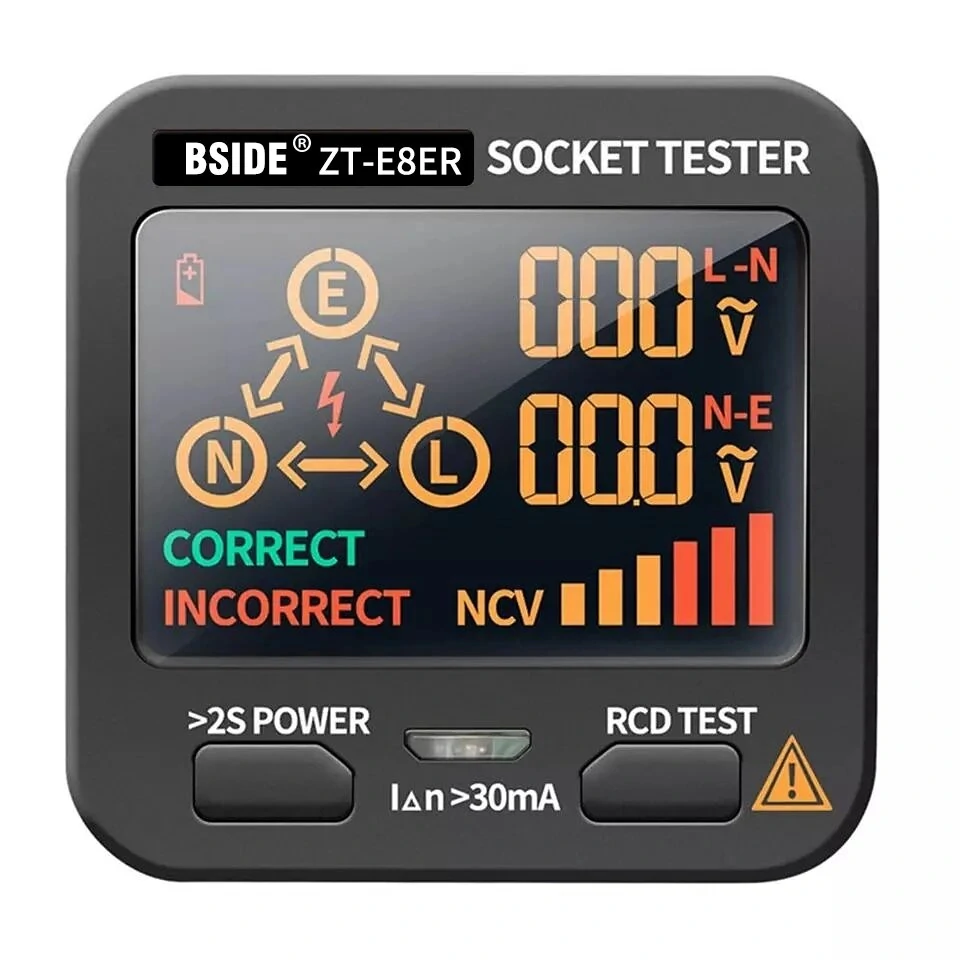
BSIDE ZT-E8 LCD Socket Tester Color Screen Voltage Outlet Tester Auto Electric Circuit Polarity Wall Plug Switch
Brand:
BSIDE
Seller:
Banggood CJ Affiliate Program
from CN
PId:
1967730
Estimated Price:
USD
15.99
- Can this Product be purchased in my local Currency?
- Latest PRICE & DISCOUNTS
Last Updated: 01/10/2026 12:07:52
Serviceable Areas
AO (Angola), AR (Argentina), AT (Austria), AZ (Azerbaijan), BE (Belgium), BO (Bolivia), BN (Brunei Darussalam), BG (Bulgaria), TD (Chad), CL (Chile), HR (Croatia), CY (Cyprus), DK (Denmark), EG (Egypt), EE (Estonia), PF, DE (Germany), GI (Gibraltar), GP (Guadeloupe), HU (Hungary), IN (India), ID (Indonesia), IE (Ireland), IL (Israel), JO (Jordan), KE (Kenya), KR (Korea), KW (Kuwait), KG (Kyrgyzstan), LT (Lithuania), LU (Luxembourg), MY (Malaysia), MV (Maldives), MT (Malta), MU (Mauritius), MX (Mexico), MC (Monaco), MA (Morocco), NZ (New Zealand), NG (Nigeria), PK (Pakistan), PE (Peru), PL (Poland), PR (Puerto Rico), QA (Qatar), RE (Reunion), RO (Romania), RS (Serbia), SG (Singapore), SI (Slovenia), ZA (South Africa), LK (Sri Lanka), CH (Switzerland), TZ (Tanzania), TH (Thailand), UA (Ukraine), AE (United Arab Emirates), GB (United Kingdom), US (United States), UY (Uruguay), VN (Viet Nam), VI (Virgin Islands), ZM (Zambia), AU (Australia), BR (Brazil), CO (Colombia), GE (Georgia), GU (Guam), JE (Jersey), KZ (Kazakhstan), LV (Latvia), LB (Lebanon), NA (Namibia), NL (Netherlands), NC (New Caledonia), OM (Oman), PT (Portugal), SA (Saudi Arabia), SE (Sweden), BA (Bosnia), IT (Italy), JP (Japan), MK (Macedonia), MD (Moldova), NO (Norway), PG (Papua New Guinea), PH (Philippines), SK (Slovakia), VU (Vanuatu), FO (Faroe Islands), GH (Ghana), IS (Iceland), ES (Spain), CA (Canada), DZ (Algeria), BH (Bahrain), FI (Finland), FR (France), GR (Greece), UG (Uganda), BB (Barbados), CZ (Czechia), FJ (Fiji), GL (Greenland)
Specifications Plug Standard EU UK US PlugWork voltage 2 6 3 3VTest voltage range 0 1 230V 50 1kHz EU UK 0 1 150V 40 1kHz US Rated residual operating current 5mAGFCI work voltage 150V±20VPower 1 5V AAA x 2Size 65x65x61mmWeight 96gPackage Includes 1 x Outlet Tester1 x User Manual
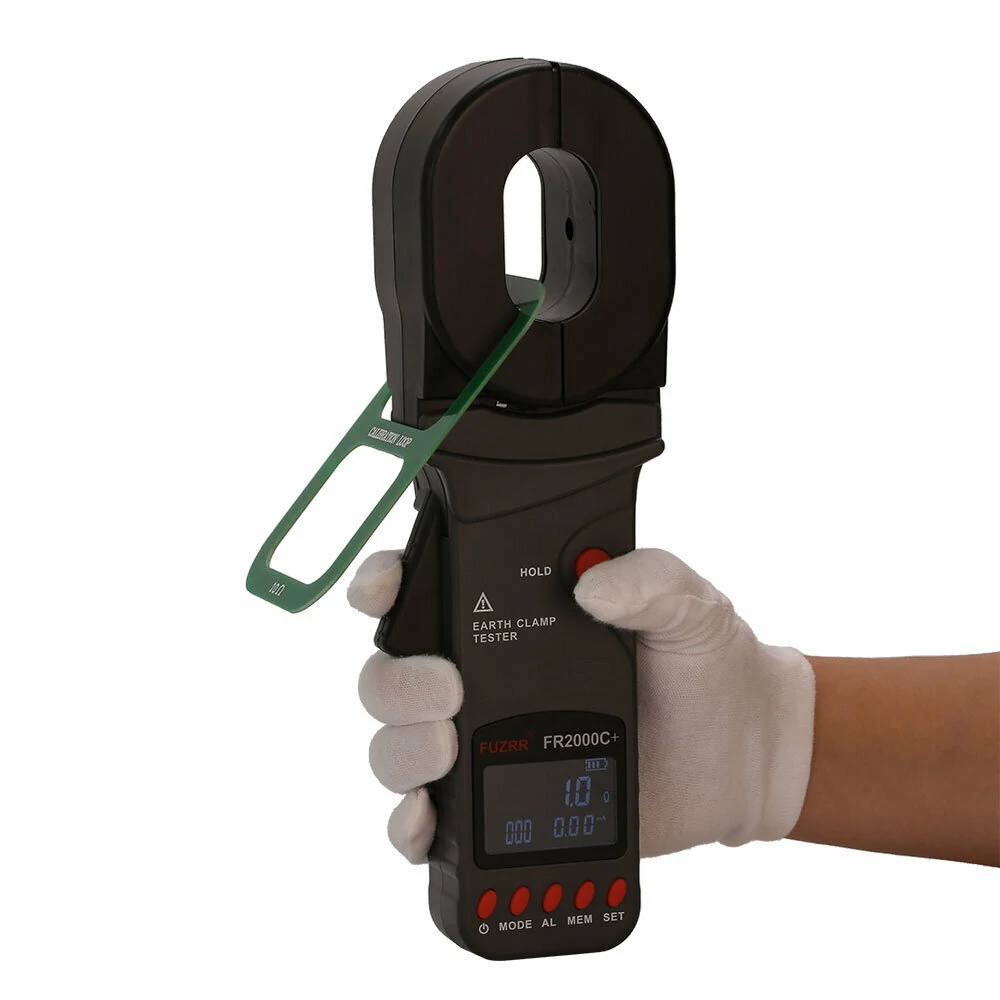
EU Direct FR2000C+ 0.01Ω-1200Ω Clamp Ground Resistance Tester Loop Resistance Tester 0.00mA-20A Leakage Current Test 300
Brand:
FUZRR
Seller:
Banggood CJ Affiliate Program
from CN
PId:
2005079
Estimated Price:
USD
209.99
- Can this Product be purchased in my local Currency?
- Latest PRICE & DISCOUNTS
Last Updated: 01/12/2026 15:06:43
Serviceable Areas
AO (Angola), AR (Argentina), AT (Austria), AZ (Azerbaijan), BE (Belgium), BO (Bolivia), BN (Brunei Darussalam), BG (Bulgaria), TD (Chad), CL (Chile), HR (Croatia), CY (Cyprus), DK (Denmark), EG (Egypt), EE (Estonia), PF, DE (Germany), GI (Gibraltar), GP (Guadeloupe), HU (Hungary), IN (India), ID (Indonesia), IE (Ireland), IL (Israel), JO (Jordan), KE (Kenya), KR (Korea), KW (Kuwait), KG (Kyrgyzstan), LT (Lithuania), LU (Luxembourg), MY (Malaysia), MV (Maldives), MT (Malta), MU (Mauritius), MX (Mexico), MC (Monaco), MA (Morocco), NZ (New Zealand), NG (Nigeria), PK (Pakistan), PE (Peru), PL (Poland), PR (Puerto Rico), QA (Qatar), RE (Reunion), RO (Romania), RS (Serbia), SG (Singapore), SI (Slovenia), ZA (South Africa), LK (Sri Lanka), CH (Switzerland), TZ (Tanzania), TH (Thailand), UA (Ukraine), AE (United Arab Emirates), GB (United Kingdom), US (United States), UY (Uruguay), VN (Viet Nam), VI (Virgin Islands), ZM (Zambia), AU (Australia), BR (Brazil), CO (Colombia), GE (Georgia), GU (Guam), JE (Jersey), KZ (Kazakhstan), LV (Latvia), LB (Lebanon), NA (Namibia), NL (Netherlands), NC (New Caledonia), OM (Oman), PT (Portugal), SA (Saudi Arabia), SE (Sweden), BA (Bosnia), IT (Italy), JP (Japan), MK (Macedonia), MD (Moldova), NO (Norway), PG (Papua New Guinea), PH (Philippines), SK (Slovakia), VU (Vanuatu), FO (Faroe Islands), GH (Ghana), IS (Iceland), ES (Spain), CA (Canada), DZ (Algeria), BH (Bahrain), FI (Finland), FR (France), GR (Greece), UG (Uganda), BB (Barbados), CZ (Czechia), FJ (Fiji), GL (Greenland)
Features FR2000 series clamp grounding resistance tester is a new generation of grounding resistance tester carefully developed by our company s technical team It adopts a new generation of LCD black screen backlight display and microprocessor technology It is convenient and quick to measure the grounding resistance When measuring the grounding system with loop there is no need to disconnect the grounding down conductor or auxiliary electrode which is safe and fast Widely used in telecommunications electricity meteorology computer rooms oil fields power distribution lines tower transmission lines gas stations factory grounding grids etc The instrument has the characteristics of accurate fast simple stable and reliable testing FR2000 series clamp earth resistance tester is controlled by microprocessor which can accurately detect earth resistance and leakage current It uses fast filtering techniques to minimize interference Store 300 sets of data at the same time ★Resistance range 0 200Ω★Current range 0 20A★New black screen design high end luxury★Ω A display on the same screen★Quick self check function no need to wait★Using fast filtering technology strong anti interference ability★New design long life of clamp head★300 groups of storage Specifications Model FR2000C Resistance range 0 01Ω 1200Ω Type Multifunctional Resistance resolution 0 001Ω Current range 0 00mA 20A Current resolution 0 01mA Technical Specification FunctionGround resis

ATuMan ST2 Socket Tester Smart Plug Analyzer LCD Display Voltage Tester GFCI Test Electrical Wiring Checker 90-250V Univ
Brand:
AtuMan
Seller:
Banggood CJ Affiliate Program
from CN
PId:
2041788
Estimated Price:
USD
19.99
- Can this Product be purchased in my local Currency?
- Latest PRICE & DISCOUNTS
Last Updated: 01/12/2026 15:06:41
Serviceable Areas
AO (Angola), AR (Argentina), AT (Austria), AZ (Azerbaijan), BE (Belgium), BO (Bolivia), BN (Brunei Darussalam), BG (Bulgaria), TD (Chad), CL (Chile), HR (Croatia), CY (Cyprus), DK (Denmark), EG (Egypt), EE (Estonia), PF, DE (Germany), GI (Gibraltar), GP (Guadeloupe), HU (Hungary), IN (India), ID (Indonesia), IE (Ireland), IL (Israel), JO (Jordan), KE (Kenya), KR (Korea), KW (Kuwait), KG (Kyrgyzstan), LT (Lithuania), LU (Luxembourg), MY (Malaysia), MV (Maldives), MT (Malta), MU (Mauritius), MX (Mexico), MC (Monaco), MA (Morocco), NZ (New Zealand), NG (Nigeria), PK (Pakistan), PE (Peru), PL (Poland), PR (Puerto Rico), QA (Qatar), RE (Reunion), RO (Romania), RS (Serbia), SG (Singapore), SI (Slovenia), ZA (South Africa), LK (Sri Lanka), CH (Switzerland), TZ (Tanzania), TH (Thailand), UA (Ukraine), AE (United Arab Emirates), GB (United Kingdom), US (United States), UY (Uruguay), VN (Viet Nam), VI (Virgin Islands), ZM (Zambia), AU (Australia), BR (Brazil), CO (Colombia), GE (Georgia), GU (Guam), JE (Jersey), KZ (Kazakhstan), LV (Latvia), LB (Lebanon), NA (Namibia), NL (Netherlands), NC (New Caledonia), OM (Oman), PT (Portugal), SA (Saudi Arabia), SE (Sweden), BA (Bosnia), IT (Italy), JP (Japan), MK (Macedonia), MD (Moldova), NO (Norway), PG (Papua New Guinea), PH (Philippines), SK (Slovakia), VU (Vanuatu), FO (Faroe Islands), GH (Ghana), IS (Iceland), ES (Spain), CA (Canada), DZ (Algeria), BH (Bahrain), FI (Finland), FR (France), GR (Greece), UG (Uganda), BB (Barbados), CZ (Czechia), FJ (Fiji), GL (Greenland)
Specifications Plug Type UK Plug EU Plug optional Material ABSWorking Voltage 90 250V 45 65HzWorking Current 3mA Non RCD testing state RCD Testing Current 30mAVoltage Measurement Accuracy ± 2 5 Dimensions EU Plug 67 x 60 x 60mm 2 64 x 2 36 x 2 36inWeight EU Plug 75g 2 65ozPackage Dimensions 7 x 7 x 7cm 2 76 x 2 76 x 2 76inPackage Weight 89g 3 14ozFeatures 1 Advanced Wiring Status Display Includes a large LCD backlit display that clearly presents six wiring conditions enabling swift identification of correct or problematic setups and ensuring efficient diagnostics 2 Comprehensive Compatibility Designed to accommodate both standard and universal sockets globally making it suitable for various environments without limitations 3 Simplified GFCI Testing Features a straightforward red button GFCI test that trips the leakage guard switch upon detecting issues offering guidance for prompt professional repair if necessary 4 CompactLightweight Design Small and portable dimensions make it convenient for electricians and enthusiasts to carry and perform socket checks in any location 5 Precision Voltage Assessment Equipped with accurate voltage measurement capabilities ensuring reliable performance while evaluating circuit conditions Package Included 1 x ATuMan ST2 Socket Tester
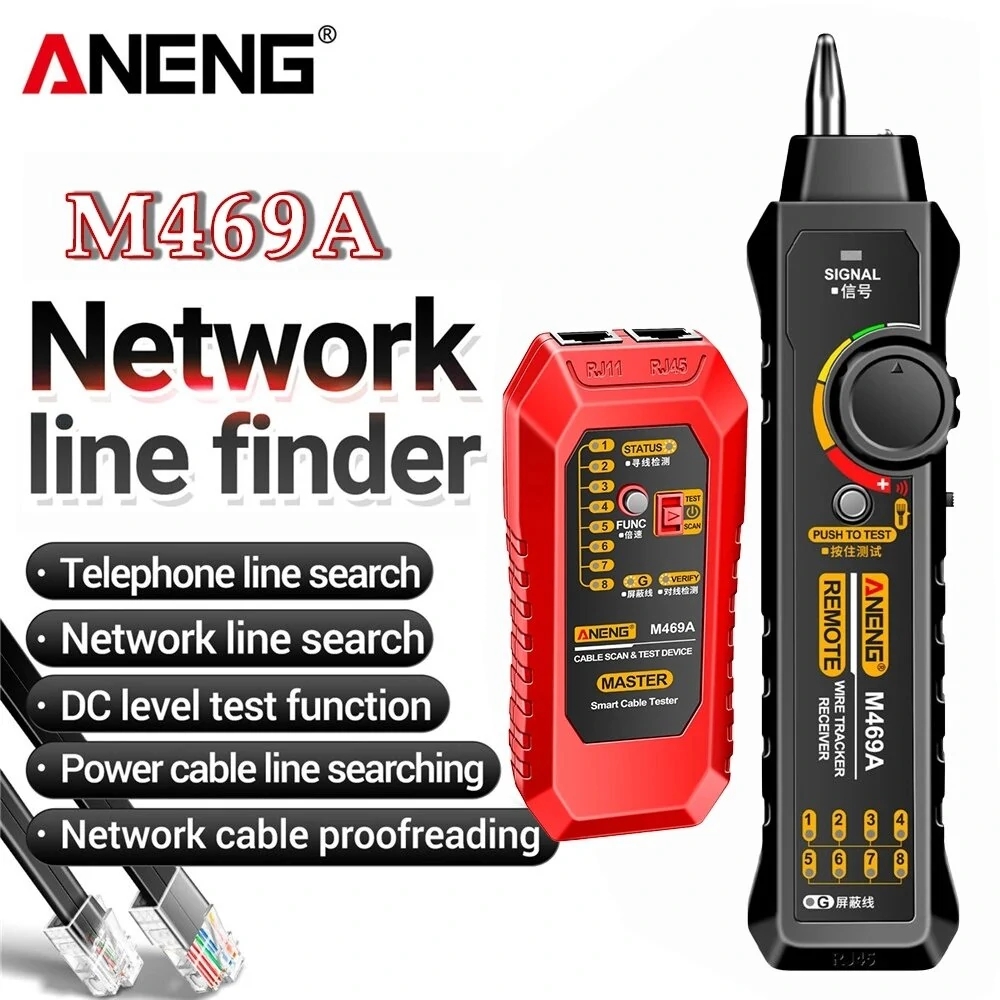
ANENG M469A Smart Network Cable Tester RJ45 RJ11 LAN Cable Tester Finder Wire Tracker Receiver Networking Tool Network R
Brand:
ANENG
Seller:
Banggood CJ Affiliate Program
from CN
PId:
1984947
Estimated Price:
USD
19.99
- Can this Product be purchased in my local Currency?
- Latest PRICE & DISCOUNTS
Last Updated: 01/12/2026 15:06:40
Serviceable Areas
AO (Angola), AR (Argentina), AT (Austria), AZ (Azerbaijan), BE (Belgium), BO (Bolivia), BN (Brunei Darussalam), BG (Bulgaria), TD (Chad), CL (Chile), HR (Croatia), CY (Cyprus), DK (Denmark), EG (Egypt), EE (Estonia), PF, DE (Germany), GI (Gibraltar), GP (Guadeloupe), HU (Hungary), IN (India), ID (Indonesia), IE (Ireland), IL (Israel), JO (Jordan), KE (Kenya), KR (Korea), KW (Kuwait), KG (Kyrgyzstan), LT (Lithuania), LU (Luxembourg), MY (Malaysia), MV (Maldives), MT (Malta), MU (Mauritius), MX (Mexico), MC (Monaco), MA (Morocco), NZ (New Zealand), NG (Nigeria), PK (Pakistan), PE (Peru), PL (Poland), PR (Puerto Rico), QA (Qatar), RE (Reunion), RO (Romania), RS (Serbia), SG (Singapore), SI (Slovenia), ZA (South Africa), LK (Sri Lanka), CH (Switzerland), TZ (Tanzania), TH (Thailand), UA (Ukraine), AE (United Arab Emirates), GB (United Kingdom), US (United States), UY (Uruguay), VN (Viet Nam), VI (Virgin Islands), ZM (Zambia), AU (Australia), BR (Brazil), CO (Colombia), GE (Georgia), GU (Guam), JE (Jersey), KZ (Kazakhstan), LV (Latvia), LB (Lebanon), NA (Namibia), NL (Netherlands), NC (New Caledonia), OM (Oman), PT (Portugal), SA (Saudi Arabia), SE (Sweden), BA (Bosnia), IT (Italy), JP (Japan), MK (Macedonia), MD (Moldova), NO (Norway), PG (Papua New Guinea), PH (Philippines), SK (Slovakia), VU (Vanuatu), FO (Faroe Islands), GH (Ghana), IS (Iceland), ES (Spain), CA (Canada), DZ (Algeria), BH (Bahrain), FI (Finland), FR (France), GR (Greece), UG (Uganda), BB (Barbados), CZ (Czechia), FJ (Fiji), GL (Greenland)
ANENG M469A Smart Network Cable Tester RJ45 RJ11 LAN Cable Tester Finder Wire Tracker ReceiverFeature A Telephone line searchB Network line searchC Check the power cable lineD Open the short circuit testsE DC voltage testF Low voltage warning G The volume can be adjustedH headest listeningLow voltage prompt functionEarphone functionSpotlight functionVolume adjustable functionEnergy SavingCheck the network cable1 Insert the RJ45 connectors at both end of the network cable to be tested into the corresponding ports of the transmitter and receiver respeectively 2 Turn the function selector switch of the transmitter to the position of test and the VERIFY indicator lights up indicating that the transmitter is working normally 3 Judging the characteristics of short circuit open circuit open circuit and crossover according to the 18 lights 4 During the test you can touch the switch button to switch between fast ans slow Using automatic scanning method fast test test the twisted pair 1 2 3 4 5 6 7 8 G by root pair and can distinguish which one pair out of order short circuit and open circuit ect Package Included 1 x Receiver1 x Transmitter1 x RJ11 Adapter1 x RJ45 Adapter1 x Alligator Clip1 x Headset1 x Operation Manual1 x Storage Bag1 x Packing Box
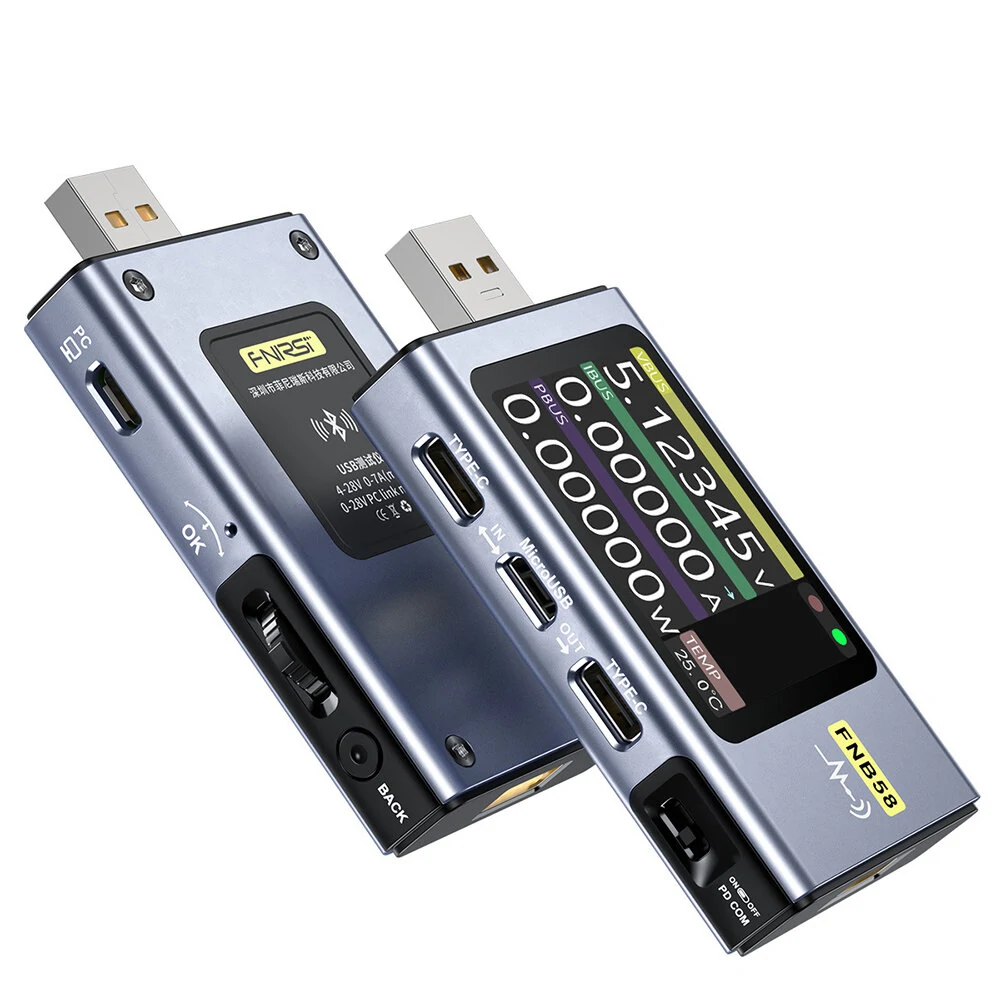
FNIRSI-FNB58 USB QC/PD Voltage and Current Meter Tester Type-C Multi-functional Fast Charging Tester HD Screen Display H
Brand:
FNIRSI
Seller:
Banggood CJ Affiliate Program
from CN
PId:
1969833
Estimated Price:
USD
58.99
- Can this Product be purchased in my local Currency?
- Latest PRICE & DISCOUNTS
Last Updated: 01/12/2026 15:06:41
Serviceable Areas
AO (Angola), AR (Argentina), AT (Austria), AZ (Azerbaijan), BE (Belgium), BO (Bolivia), BN (Brunei Darussalam), BG (Bulgaria), TD (Chad), CL (Chile), HR (Croatia), CY (Cyprus), DK (Denmark), EG (Egypt), EE (Estonia), PF, DE (Germany), GI (Gibraltar), GP (Guadeloupe), HU (Hungary), IN (India), ID (Indonesia), IE (Ireland), IL (Israel), JO (Jordan), KE (Kenya), KR (Korea), KW (Kuwait), KG (Kyrgyzstan), LT (Lithuania), LU (Luxembourg), MY (Malaysia), MV (Maldives), MT (Malta), MU (Mauritius), MX (Mexico), MC (Monaco), MA (Morocco), NZ (New Zealand), NG (Nigeria), PK (Pakistan), PE (Peru), PL (Poland), PR (Puerto Rico), QA (Qatar), RE (Reunion), RO (Romania), RS (Serbia), SG (Singapore), SI (Slovenia), ZA (South Africa), LK (Sri Lanka), CH (Switzerland), TZ (Tanzania), TH (Thailand), UA (Ukraine), AE (United Arab Emirates), GB (United Kingdom), US (United States), UY (Uruguay), VN (Viet Nam), VI (Virgin Islands), ZM (Zambia), AU (Australia), BR (Brazil), CO (Colombia), GE (Georgia), GU (Guam), JE (Jersey), KZ (Kazakhstan), LV (Latvia), LB (Lebanon), NA (Namibia), NL (Netherlands), NC (New Caledonia), OM (Oman), PT (Portugal), SA (Saudi Arabia), SE (Sweden), BA (Bosnia), IT (Italy), JP (Japan), MK (Macedonia), MD (Moldova), NO (Norway), PG (Papua New Guinea), PH (Philippines), SK (Slovakia), VU (Vanuatu), FO (Faroe Islands), GH (Ghana), IS (Iceland), ES (Spain), CA (Canada), DZ (Algeria), BH (Bahrain), FI (Finland), FR (France), GR (Greece), UG (Uganda), BB (Barbados), CZ (Czechia), FJ (Fiji), GL (Greenland)
Specifications Manual Click here to open Brand FNIRSI Model FNB58 Type Voltage and Current Meter Tester Color Blue with bluetooth Black without bluetooth Monitor voltage 4 28V Monitor current 0 7A Monitor power 0 120W Load Equivalent Internal Resistance 0 9999 90Ω D D voltage 0 3 3V Device Temperature °C °F Capacity 0 9999 99Ah Energy used 0 9999 99Wh Cable internal resistance 0 9999 90Ω Equipment runtime 99 days 23 59 59 Record time 99 days 23 59 59 Size 82 42 13mm Weight 70gPackage Include Type1 1 Meter Tester Module Black without bluetooth Type2 1 Meter Tester Module Blue with bluetooth